
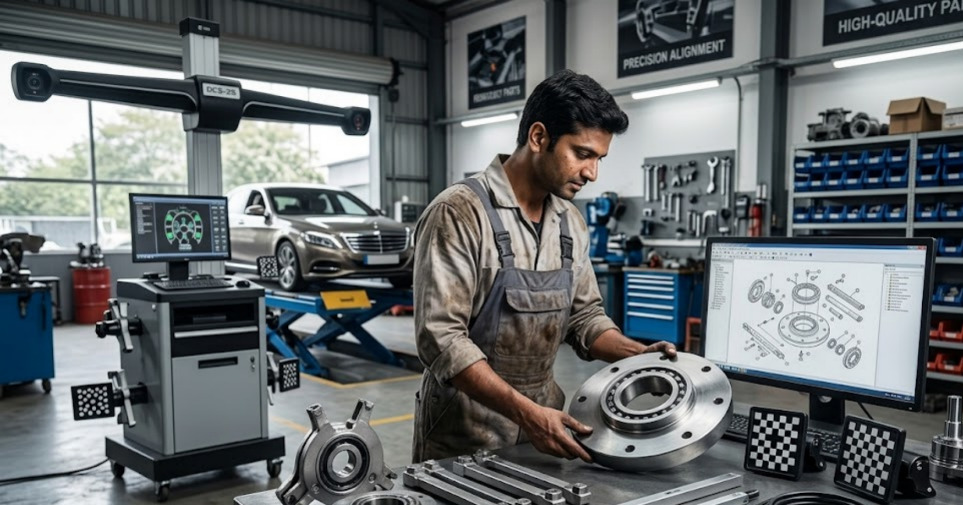
Precision is the backbone of any successful auto repair workshop or tire service center. When servicing modern vehicles, wheel alignment equipment must deliver pin-point accuracy to prevent irregular tire wear and ensure road safety. However, continuous daily use eventually leads to component wear and tear. Sourcing genuine, premium-grade wheel alignment machine spare parts is critical to maintaining original calibration, preventing costly downtime, and ensuring long-term operational performance. Buying low-quality replacements might save money short-term, but it often results in frequent recalibrations, inaccurate readings, and unhappy customers.
Why High-Quality Wheel Alignment Machine Spare Parts Matter
A wheel alignment system relies on complex interactions between optical sensors, mechanical clamps, calibration targets, and specialized software. When one component fails or loses precision, the entire diagnostic system yields flawed measurements.
The True Cost of Inferior Spare Parts
Installing low-grade aftermarket components exposes your garage to several operational risks:
- Inaccurate Diagnostic Data: Poorly manufactured turntables or loose wheel clamps create alignment drift.
- Frequent Recalibrations: Subpar sensors require constant recalibration, wasting valuable technician time.
- Premature Equipment Wear: Non-standard mechanical parts put additional strain on motor drives and structural frames.
- Loss of Customer Trust: Improper alignments lead to premature tire wear and safety concerns for vehicle owners.
Investments in high-spec replacement parts safeguard your business reputation while extending the total operational life of your alignment machine.
Core Components: Key Wheel Alignment Machine Spare Parts to Inspect
Knowing which components wear out fastest allows workshop managers to plan preventative maintenance efficiently.
1. Wheel Clamps and Target Boards
Wheel clamps (or rim clamps) directly interface with the vehicle’s wheels. Over time, the clamping pins, plastic pads, and tension adjustment knobs wear down.
- What to look for: High-tensile aluminum or hardened steel construction.
- Key feature: Quick-attach mechanisms with durable anti-scratch rubber pads to protect custom alloy rims.
2. Heavy-Duty Turntables (Turnplates)
Turnplates support the full weight of the vehicle’s front axle while allowing smooth steering movement during alignment checks.
- Common wear issues: Internal ball bearings degrade due to dirt, grease, and water accumulation.
- What to look for: Stainless steel internal bearings, robust lock pins, and rust-resistant coatings.
3. Optical Sensors and Camera Assemblies
In 3D and CCD alignment systems, cameras and optical sensors measure target angles down to fractions of a degree.
- Replacement requirements: High-grade optical glass, shock-resistant housings, and OEM-compatible communication cables.
4. Calibration Kits and Cables
Data cables, power harnesses, and calibration bars endure constant flexing and environmental exposure in busy shop environments.
- What to look for: Shielded heavy-duty wiring to eliminate signal interference from surrounding workshop machinery.
Essential Steps to Choose the Right Replacement Parts
Selecting compatible, high-performance components requires careful evaluation before purchasing.
Step 1: Identify OEM Specifications and Part Numbers
Always reference your alignment machine’s original equipment manufacturer (OEM) manual. Match part numbers exactly to ensure mechanical compatibility, voltage alignment, and seamless software integration.
Step 2: Evaluate Material Grades and Durability
Mechanic shops face harsh conditions—oil spills, heavy loads, and impact risks. Ensure replacement metals are powder-coated or galvanized to resist rust, and synthetic rubber components are oil-resistant.
Step 3: Verify Vendor Warranty and Technical Support
Reliable suppliers offer comprehensive warranties on replacement components. Ensure your supplier provides technical guidance, wiring diagrams, or remote installation assistance if needed.
Quality Comparison: OEM vs. Generic Aftermarket Parts
| Feature | OEM Spare Parts | Certified Aftermarket | Cheap Generic Parts |
| Precision & Fit | Guaranteed Exact Fit | High Compatibility | Poor / Variable Fit |
| Durability | Long Operational Life | Moderate to High | Short Lifespan |
| Warranty Coverage | 1 to 2 Years | 6 to 12 Months | None or Limited |
| Risk of Malfunction | Extremely Low | Low | High |
| Total Cost Impact | Best Long-Term Value | Good Value | High Indirect Costs |
Best Maintenance Practices to Extend Spare Part Lifespan
Purchasing high-grade parts is only half the battle; proper shop maintenance ensures maximum service life.
- Keep Turntables Clean: Periodically remove debris, mud, and water from turnplate bearing beds to prevent rust.
- Inspect Clamp Pins Regularly: Check alignment pins for slop or bend before clamping onto customer rims.
- Store Target Plates Safely: Use wall mounts or padded storage racks for 3D target boards to prevent optical scratch damage.
- Check Cable Strain Reliefs: Ensure power and data cables aren’t crushed under vehicle tires or bent at sharp angles.
External Authority Links
- ISO (International Organization for Standardization): Reference standards for automotive servicing tools and safety protocols.
- Society of Automotive Engineers (SAE): Reference technical papers on vehicle steering geometry and wheel alignment tolerances.
Maintaining precise wheel alignment services requires dependable equipment built on high-grade components
. By selecting original or certified wheel alignment machine spare parts, you eliminate diagnostic errors, protect customer vehicles, and maximize your workshop’s profitability. Don’t let worn turnplates, damaged clamps, or faulty cables compromise your service quality.
Is your alignment machine due for a hardware refresh?
Keep your workshop running at peak accuracy! [Explore our full range of certified spare parts today] or contact our technical support team to find the exact components for your alignment system.
Frequently Asked Questions
How often should wheel alignment turntables be replaced?
Turntables should be inspected monthly for smooth movement. Internal bearings usually require replacement every 2 to 4 years depending on shop workload and environmental exposure.
Can I use generic wheel clamps on a brand-name 3D alignment system?
While some universal clamps fit physically, it is safer to use manufacturer-approved clamps. Non-standard clamps may alter distance offsets and compromise 3D target tracking accuracy.
How do I know if my wheel alignment sensors need calibration or replacement?
If repetitive calibration attempts fail to yield consistent readings, or if readings drift during standard checks, the sensor optical elements or internal circuit boards may need replacement.
Where can I find part numbers for my alignment equipment?
Part numbers are listed in your equipment user manual, on product identification plates attached to the machine frame, or directly stamped onto mechanical parts.